

Essential Items to Bring on Your Walk
A practical checklist of things you shouldn't forget when exploring Lough Boora's trails
What You'll Actually Need Out There
Heading out for a walk at Lough Boora doesn't mean you need fancy gear or a rucksack full of supplies. But there's a difference between "I'll be fine" and "I'm actually prepared." The right items make the difference between a pleasant few hours and a frustrating one where you're tired, thirsty, or worried you've gone the wrong way.
We've put together this checklist based on what real people actually use when they're walking the boardwalk or tackling the sculpture trail. You won't need everything every time, but you'll know what to grab depending on your route and the weather.
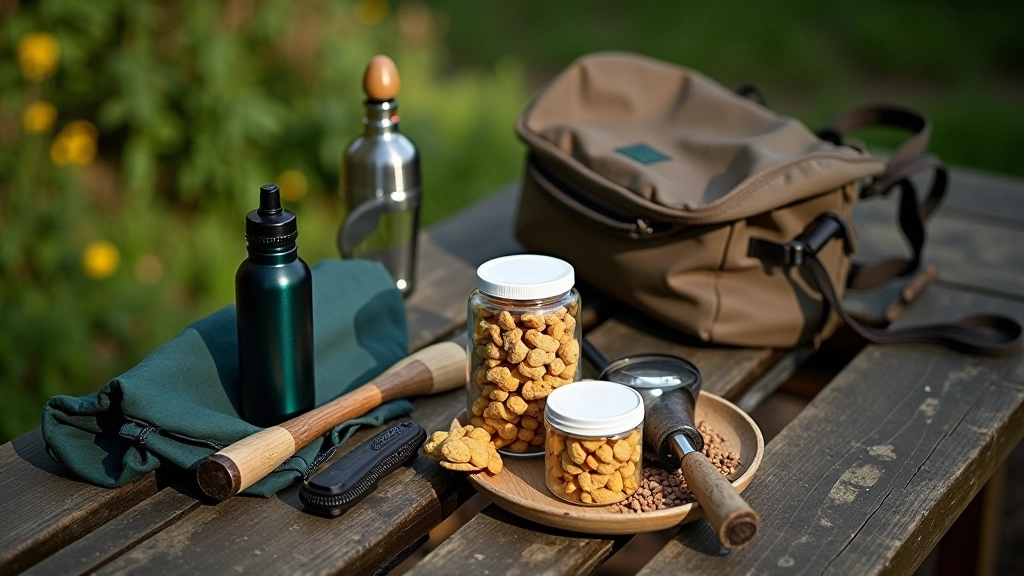
Water and Hydration
This is non-negotiable. You'll be moving around for 45 minutes to an hour or more, and even if the weather doesn't feel hot, you're still losing fluids. A 500ml bottle is the bare minimum — we'd suggest 750ml if you're doing the longer routes or visiting in warmer months.
Don't just fill it at home and hope it lasts. The boardwalk has water fountains near the main entrance, but if you're heading deep into the sculpture trail or doing a longer loop, you won't find refill points. Fill up before you leave the car park.
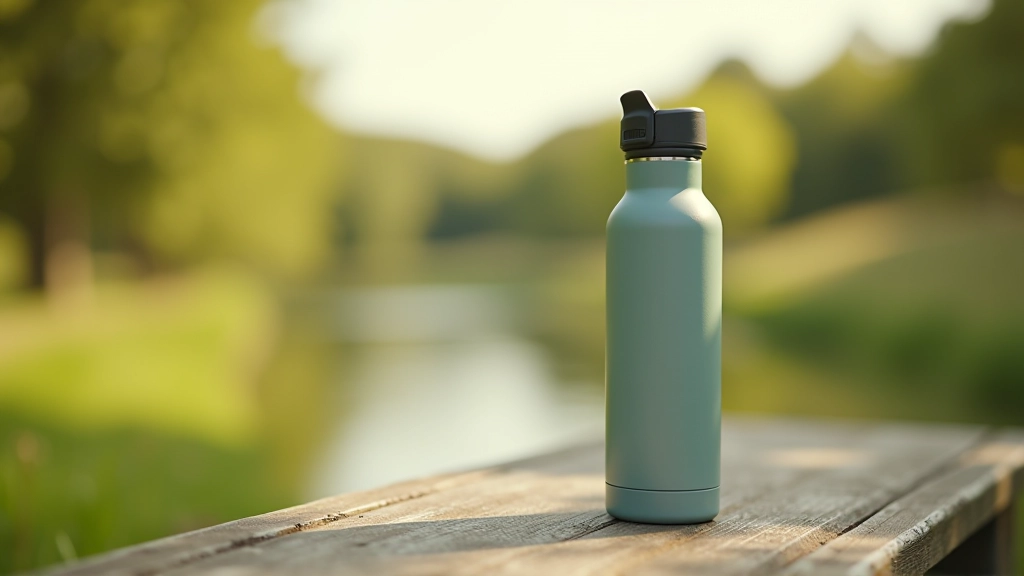
- Reusable water bottle (750ml-1L) — better for your wallet and the environment
- Insulated bottle if it's summer — keeps water cool for the whole walk
- Sports bottle with a cap you can drink from easily while walking
Explore More Walking Guides

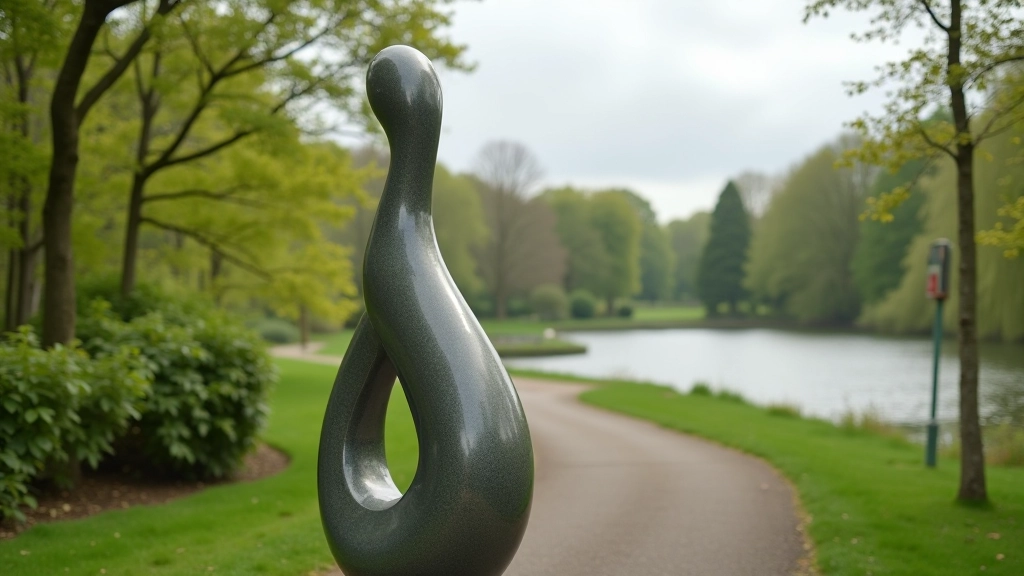
Comfort Items for Longer Routes
If you're planning to be out for more than an hour, or if you're doing the longer sculpture trail loop, bring something to eat. A banana, a granola bar, or a small sandwich makes a huge difference when you're halfway through and your energy dips.
There are benches scattered throughout both trails. Use them. Seriously. You don't have to push through to finish. A 10-minute sit-down with a snack and a drink gives you energy for the rest of the route. And honestly, some of the best views of the lake are from those benches.
Pro tip: Pack a small ziplock bag with a few tissues. They're useful for wet hands after you've been leaning on the handrails, or if the weather turns damp.

Safety and Support Gear
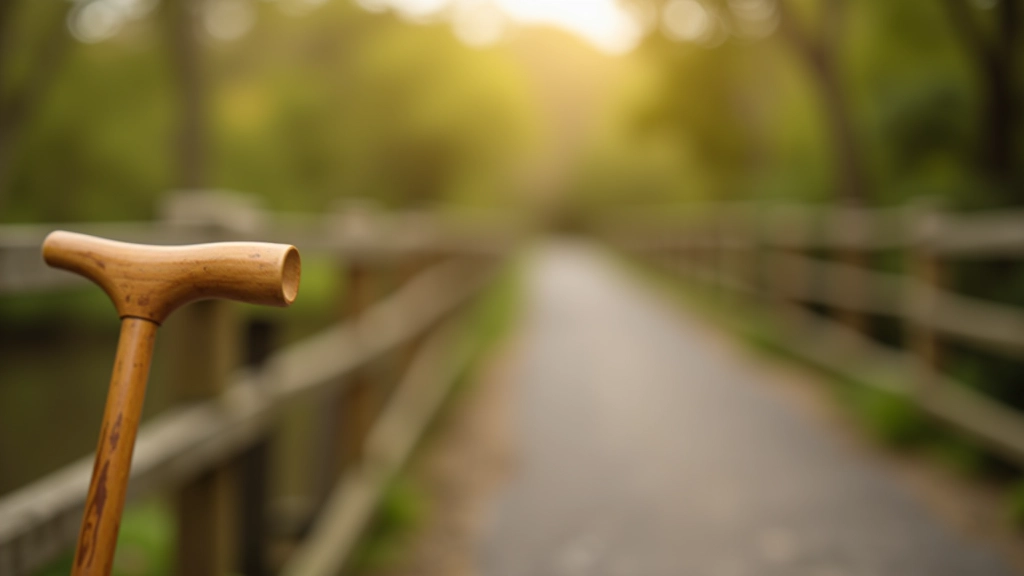
A walking stick or pole isn't just for people who "need" one. It's genuinely helpful on uneven ground, gives you something to lean on while you're taking in the view, and takes pressure off your knees on the way back to the car. If you've got one, bring it.
A basic first aid kit? Probably overkill for a 90-minute walk on well-maintained paths. But a couple of plasters in your pocket cost nothing and weigh nothing. If you get a blister forming, you can sort it out before it becomes a problem.
And here's something people don't always think about: let someone know roughly where you're going and when you expect to be back. You don't need to be dramatic about it. A quick text to a friend saying "Off to Lough Boora, should be back by 3" is enough.
Weather Protection
Ireland's weather is... unpredictable. You can start with clear skies and 20 minutes later have a light drizzle. A compact umbrella or a lightweight waterproof jacket takes up almost no space in a rucksack. If the forecast says rain, definitely bring one.
In winter or cooler months, a hat and gloves matter more than people think. You lose a lot of heat through your head, and your hands get cold faster when you're not moving around intensely. A beanie and a pair of gloves cost a few quid and make the walk way more enjoyable.
Sunscreen in summer? Yes. Even if it doesn't feel hot, the sun reflects off the water and you'll burn faster than you expect. SPF 30 minimum, and reapply if you're out for more than 90 minutes.
The Simple Checklist
Don't overthink this. For most walks at Lough Boora, you need:
Water (750ml minimum)
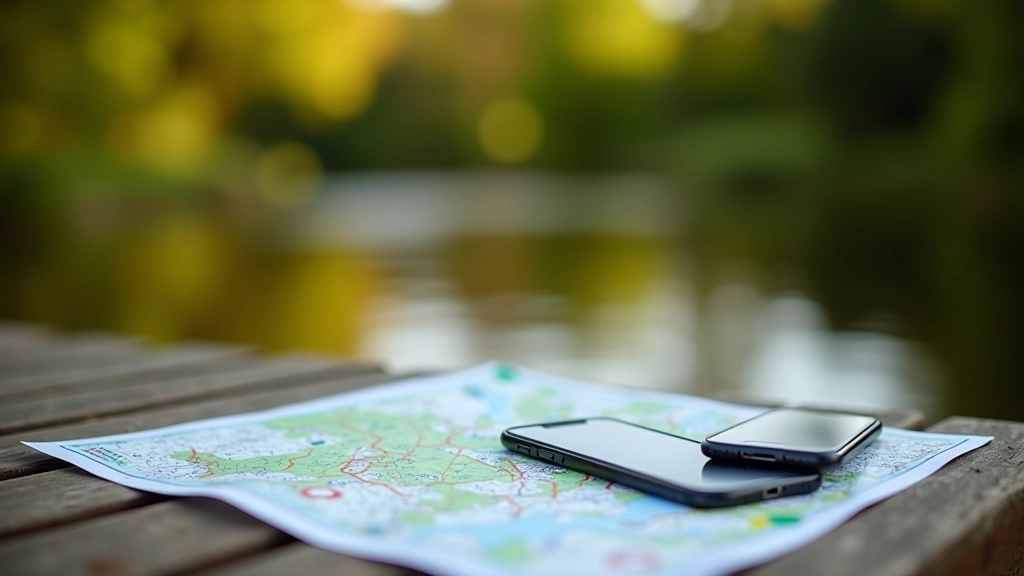
A map or phone with GPS
A snack for longer routes
Weather protection (jacket or umbrella)
Walking stick if you have one
A couple of plasters, just in case
That's it. Pack these, grab your coat, and head out. The trails at Lough Boora are there to be enjoyed, and the right preparation means you'll actually enjoy them instead of spending the walk wishing you'd brought something with you.
Important Notice
This article provides educational information about preparing for walks at Lough Boora. It's not a substitute for personal judgment or professional medical advice. Trail conditions vary seasonally and weather changes rapidly. Always check current conditions, consult local staff if unsure, and listen to your body. If you have specific health concerns, speak with your doctor before undertaking longer walks. The information here reflects general best practices and isn't guaranteed to cover every situation you might encounter.